
Custom heat seal paper is a practical choice for businesses that need clean, secure, and attractive food packaging. It helps keep products wrapped while giving brands more control over the appearance of their packaging. From burger shops to bakeries, the right paper can make everyday packaging easier and more reliable. However, choosing a suitable option takes more than looking at its price or design. Businesses need to consider the food they sell, the sealing method they use, and the conditions in which the package will be handled. Material quality also matters because different foods require different levels of grease resistance and protection. Understanding these details helps businesses avoid common packaging problems. This article explains the main benefits, available options, printing choices, and purchasing factors to consider before selecting packaging for your business.
Understanding Paper Materials
Heat seal paper is designed to form a secure closure when used with a compatible sealing process. Depending on its construction, it may include a heat-sensitive coating or a barrier layer that helps create the seal. The exact material depends on the intended use. Some products custom heat seal paper with logo are suitable for wrapping dry food, while others are designed to handle grease or moisture. Businesses should check the manufacturer's specifications before choosing a paper for their products. A material that works well for sandwiches may not be suitable for hot, oily meals. It is also worth checking whether the paper meets applicable food-contact requirements. Understanding these differences helps buyers select packaging that performs well during storage, preparation, and delivery.
Choosing Suitable Packaging
The best packaging depends on the type of food being sold and how it reaches customers. A takeaway restaurant may need paper that handles warm burgers without becoming weak or allowing grease to spread. A bakery might prefer a lighter material that protects pastries while keeping them easy to handle. Businesses considering Custom heat seal paper Wholesale should compare product specifications rather than focusing only on the price per unit. Thickness, coating, sealing temperature, and resistance to moisture can affect daily performance. It is also useful to test the paper with actual products before placing a large order. Small trials help identify problems early and reduce the risk of wasting money on unsuitable materials.
Improving Brand Recognition
Packaging often gives customers their first physical impression of a food business. A neat wrapper with consistent colors and clear printing can make a product look more professional. Custom printed heat-seal paper allows businesses to include brand colors, patterns, product information, or other design elements that match their identity. The artwork should remain easy to recognize, even when the paper is folded around food. Overly complicated designs may make the packaging look crowded, so a simple layout is often more effective. Businesses should also confirm that the printing method is suitable for the intended food-contact application. Good design combines visual appeal with practical use, helping packaging support brand recognition without interfering with the product.
Adding Business Logos
A logo can help customers recognize a business across different locations and ordering channels. Using the same logo on takeaway wrappers, delivery packages, and other printed materials creates a consistent appearance. Custom heat seal paper With Logo gives businesses a way to carry their identity directly onto their packaging. Before approving a design, check the logo size, placement, contrast, and readability. Fine details may become difficult to see if the artwork is printed too small. It is also helpful to request a sample or digital proof before production begins. This gives the business an opportunity to correct spelling, adjust colors, and confirm that the final layout matches its expectations. A clear logo can make even simple packaging feel more distinctive.
Selecting Paper Formats
Packaging suppliers may offer different sizes and formats to suit various equipment and working methods. Customized heat seal paper can be specified according to the dimensions, material properties, and sealing requirements of a particular business. Pre-cut sheets are useful for operations that prefer ready-to-use pieces and want consistent wrapping sizes. Custom heat seal paper Sheets can help staff package products quickly without measuring or cutting material during busy periods. Rolls may suit businesses that use continuous feeding or cutting equipment. Before ordering, measure the packaging area and check the machine's supported material width. The right format reduces unnecessary trimming and helps employees work more efficiently. It should also fit the business's available storage space and daily packaging routine.
Comparing Rolls And Sheets
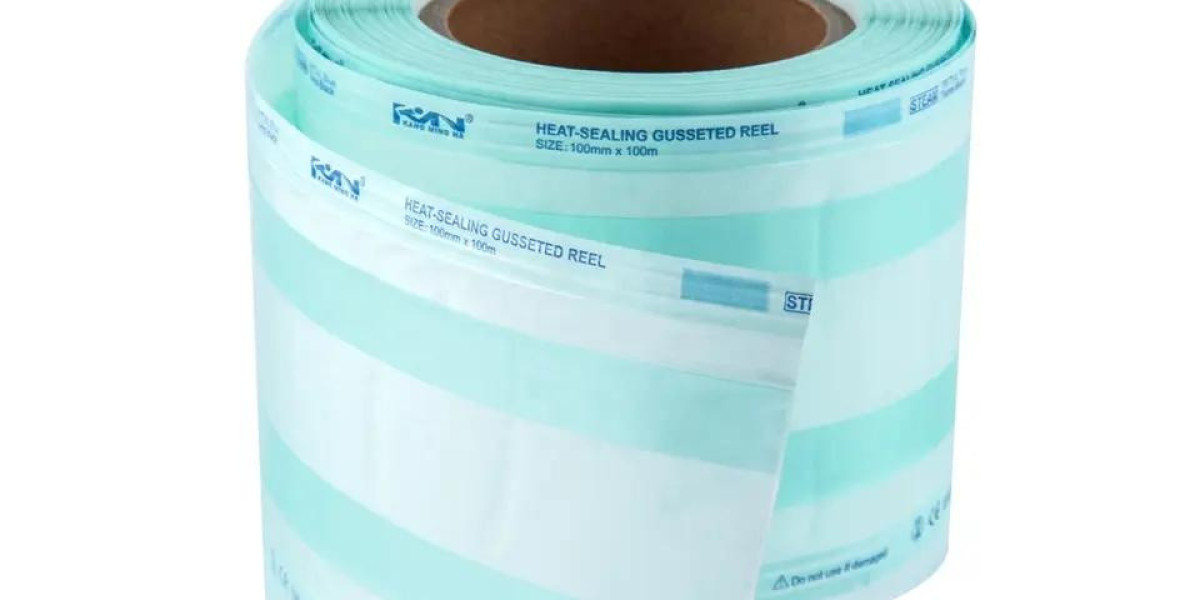
Sheets and rolls serve different operational needs, so the choice should reflect how packaging is prepared. Ready-cut sheets are convenient for small kitchens, food stalls, and businesses that package items by hand. They are easy to count and distribute among staff. Custom heat seal paper Rolls may be more practical for high-volume operations that use compatible machines or need flexible cutting lengths. However, rolls require suitable storage and equipment settings to prevent feeding or sealing problems. Businesses should consider the amount of material used each day, the number of workers handling it, and the available workspace. A supplier can help confirm which format suits the equipment. Comparing these details before buying can improve workflow and reduce packaging waste.
Planning Orders And Budgets
Ordering the right quantity helps businesses balance material costs with storage needs. Buying too little can lead to repeated orders custom greaseproof paper and possible supply interruptions. Ordering too much may tie up cash and leave packaging unused if a design or product changes. Custom heat seal paper In Bulk can offer better unit pricing, but the total cost should include printing, delivery, storage, and any setup charges. Businesses should also ask about minimum order quantities and production lead times. A sample order is useful when testing a new supplier or material. For established businesses, reviewing monthly usage can provide a realistic estimate of future demand. Careful planning supports reliable supply without filling valuable storage space with excess stock.
Checking Supplier Quality
A dependable supplier should explain the material specifications, sealing requirements, printing options, and expected production schedule. Ask for samples and test them under normal working conditions before committing to a large purchase. Wholesale custom heat seal paper orders should come with clear details about quantity, dimensions, tolerances, and any food-contact documentation that applies. Businesses should also confirm how defects or delivery delays are handled. A low price may not be worthwhile if the paper seals poorly or arrives with inconsistent printing. Communication matters, especially when packaging is made to a specific design. Keeping approved samples and written specifications can make repeat orders easier to manage. These simple checks help businesses build a more reliable purchasing process.
Conclusion
Choosing the right custom heat seal paper involves balancing product protection, appearance, convenience, and cost. The material must suit the food, work with the sealing equipment, and meet relevant food-contact requirements. Businesses should also consider whether sheets or rolls fit their workflow better. Clear printing and thoughtful branding can improve the customer experience without making packaging unnecessarily complicated.
Before placing a large order, compare suppliers, review samples, and check the full cost of production and delivery. A suitable product should perform consistently during everyday use, not simply look good in a catalogue. Taking time to evaluate these details can help businesses reduce waste, maintain packaging quality, and create a recognizable brand. The best choice is one that supports both daily operations and long-term business needs.