
Silent structural decay. Unseen respiratory hazards. Escalating liability risks. These are the hidden costs of ignoring early warning signs of fungal progress in enterprise and residential properties. Many property managers and facility owners wait until black spots appear on the ceiling or a musty odor becomes overwhelming before taking action. This reactive way regularly results in considerably higher repair bills and extended downtime for tenants. The damage spreads through wall cavities and HVAC systems long before it becomes visible to the naked eye. Waiting for a visual confirmation means the infestation has likely already compromised the constructing's air standard and structural integrity.
The financial consequence of delayed intervention extends far beyond basic remediation costs. Insurance claims can be denied if negligence is validated, leaving the property owner to absorb the full expense of restoration. Tenant health complaints can lead to legal disputes and reputational damage that takes years to repair. robust management needs a proactive method focused on detection and prevention rather than reaction. Understanding the subtle indicators of moisture intrusion allows stakeholders to resolve the root cause before a complete-scale infestation occurs. This shift in mindset is crucial for maintaining asset advantage and ensuring occupant safety in the humid climate of the region.
Understanding the Mechanics of Hidden Fungal Growth
Fungal spores exist naturally in the environment, but they need specific conditions to colonize and spread within a assembling structure. Moisture is the primary catalyst, frequently introduced through plumbing leaks, roof failures, or poor ventilation systems. When water accumulates behind drywall, under flooring, or inside ductwork, it builds an best-suited breeding ground for fast proliferation. The material composition of up-to-date buildings commonly includes cellulose-based products that serve as a food source for these organisms. Once established, the colony releases microscopic spores into the air supply, circulating them throughout the entire facility.
Detecting this progress before it becomes visible needs an understanding of where moisture tends to accumulate. Areas with high humidity, such as bathrooms, basements, and kitchen spaces, are frequent targets for early infestation. However, hidden leaks in supply lines or condensation concerns in cooling systems can create pockets of moisture in seemingly dry areas. These hidden reservoirs enable the fungus to thrive undisturbed for weeks or even months. The lack of airflow in these confined spaces accelerates the progress rate, making the problem much more severe by the time it is finally discovered.
Professional assessment often reveals that the visible signs are merely the tip of the iceberg. The majority of the fungal network remains embedded within the constructing materials, feeding on the cellulose and releasing volatile organic compounds. These compounds contribute to the distinct musty odor that often precedes visual confirmation. Ignoring these early signals enables the colony to expand deep into the structural framework. This expansion compromises the strength of wooden beams and the integrity of drywall panels. Addressing the moisture source is the only way to stop the cycle, but identifying the source without seasoned instruments is tough for untrained eyes.
The Critical Role of Moisture Detection Tools
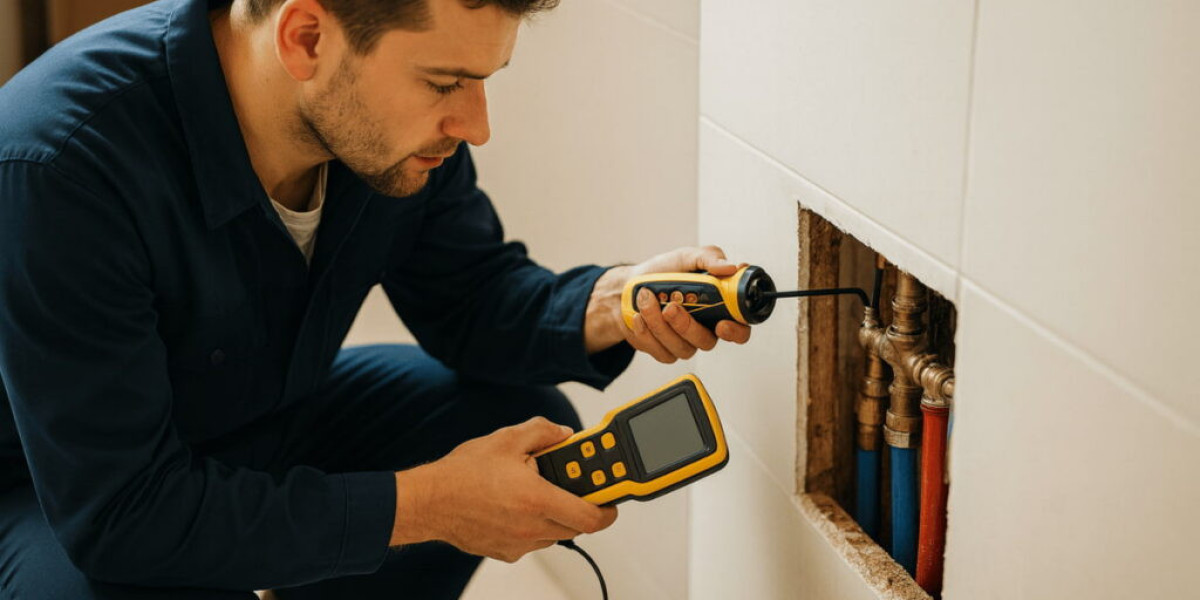
Visual inspections alone are insufficient for identifying hidden fungal infestations in complex constructing systems. Professional teams rely on specialized equipment to locate moisture anomalies that the human eye cannot see. Thermal imaging cameras detect temperature differentials caused by evaporative cooling from wet materials. These devices highlight areas where water has accumulated behind finished surfaces, allowing technicians to pinpoint the exact location of the leak without destructive demolition. This technology is essential for minimizing damage during the inspection stage and verifying that the full extent of the problem is mapped out accurately.
Moisture meters provide quantitative data regarding the water content in multiple building materials. These utilities gauge the electrical resistance or capacitance of wood, drywall, and concrete to determine saturation levels. By comparing readings against known dry baselines, inspectors can recognize areas that are dangerously close to the threshold for fungal expansion. This analytics-driven method removes guesswork from the assessment workflow and supplies a straightforward roadmap for remediation endeavors. It permits property managers to prioritize areas of highest risk and allocate resources effectively before the situation deteriorates.
Without these state-of-the-art detection methods, property owners exposure missing key areas of contamination. A small leak in a ceiling tile might appear dry on the surface while the insulation above it is completely saturated. This hidden moisture can lead to a widespread infestation that affects multiple rooms or even entire floors. The cost of repairing the damage after it has spread is exponentially higher than addressing a small, localized concern. Early detection through seasoned utilities is the most efficient defense against structural degradation. It guarantees that the remediation process is targeted and efficient, preserving as much of the original building materials as possible.
Health Implications for Tenants and Employees
The presence of hidden fungal growth poses significant health hazards to building occupants, ranging from mild irritation to severe chronic conditions. Exposure to airborne spores can trigger allergic reactions, asthma attacks, and respiratory infections in sensitive individuals. Vulnerable populations, including children, the elderly, and those with compromised immune systems, are at particular hazard. The symptoms often mimic common colds or seasonal allergies, leading to misdiagnosis and continued exposure. Chronic exposure can result in long-term health difficulties that effect productivity and increase absenteeism rates in commercial settings.
Beyond immediate physical symptoms, the psychological impact of living or working in a contaminated setting cannot be overlooked. The constant worry about air quality and potential health hazards develops stress and minimizes overall satisfaction with the property. Tenants may commence to question the management's commitment to safety and maintenance, leading to higher vacancy rates and difficulty in leasing. In commercial settings, employee morale can suffer as workers become concerned about their well-being. Addressing these concerns promptly is key for maintaining a positive reputation and verifying a healthy occupancy.
Legal liabilities also arise when health issues are linked to known or suspected mold problems. Property owners have a duty of care to supply a safe environment for their tenants and employees. Failure to handle known moisture difficulties or visible signs of contamination can lead to lawsuits and regulatory fines. Courts often view negligence in maintaining air standard as a serious breach of responsibility. The costs associated with legal defense and settlements can far exceed the initial investment in proper inspection and remediation. Proactive management of indoor air quality is therefore a essential component of hazard mitigation strategies for property owners.
Evaluating Remediation Strategies and Professional Standards
opting for the right remediation method depends on the extent of the infestation and the type of materials affected. Small, localized issues might be managed with targeted cleaning and drying, but widespread contamination often necessitates more aggressive indicators. The goal is to remove the source of the problem while protecting the rest of the building from exposure to spores.
The operation generally begins with a thorough assessment to determine the scope of the work required. Technicians develop a customized roadmap that addresses the distinct requirements of the property and the type of fungus present. This roadmap includes thorough procedures for containment, removal, cleaning, and verification. The use of professional-grade antimicrobial agents and HEPA filtration systems is criterion practice to eliminate residual spores and block regrowth.
Attempting to process a large-scale infestation without professional expertise often leads to incomplete removal and recurring problems. DIY methods frequently fail to resolve the root cause or properly contain the spores during the cleanup procedure. This can result in the spread of contamination to previously unaffected areas, increasing the scope and spend of the necessary repairs. Professional remediation confirms that the job is done correctly the first time, protecting the property owner from future liabilities. It also supplies peace of mind knowing that the building meets safety benchmarks for occupancy.
The Economic Benefits of Proactive Mold Management
Proactive management of fungal issues offers considerable economic advantages for property owners and facility managers. The cost of early detection and targeted remediation is a fraction of the expense associated with significant structural repairs. By addressing moisture intrusion before it leads to widespread infestation, owners can avoid costly demolition and reconstruction undertakings. This technique also lowers downtime for tenants, guaranteeing that business operations continue without interruption. The preservation of building materials and finishes further decreases the overall financial impact of the incident.
Investing in regular inspections and moisture monitoring systems pays dividends over the long term. These metrics enable for the identification of potential problems before they escalate into emergencies. The data collected from these inspections can inform maintenance schedules and assist prioritize capital enhancement efforts. This tactical method to facility management extends the lifespan of the building and maintains its market advantage. Properties with a history of proactive maintenance are often more attractive to tenants and investors, commanding higher rental rates and improved occupancy levels.
When issues do arise, having a trusted partner for mold removal atlanta confirms a swift and efficient reply. businesses like Atlanta Mold & Cleaning specialize in identifying and resolving these sophisticated obstacles with minimal disruption. Their proficiency allows them to navigate the intricacies of building codes and insurance demands, streamlining the entire process. This level of professional back is invaluable for property owners who need to balance immediate repairs with long-term asset preservation. The reliability of such partners lowers the administrative burden on internal departments and guarantees that the property remains a protected and productive context.
The choice of remediation provider can notably impact the outcome of the initiative. Selecting a firm with a tested track record and complete service offerings is crucial for reaching the leading results. Atlanta Mold & Cleaning offers a entire range of solutions from initial inspection to final clearance testing, ensuring a smooth experience for customers. Their commitment to using the latest technology and adhering to industry leading techniques sets them apart in the market. Property owners who prioritize quality and know-how in their service providers can avoid the pitfalls of substandard work and recurring problems.
Conclusion
The hidden nature of fungal growth creates it a leading challenging issues for property managers to handle successfully. Ignoring the subtle signs of moisture intrusion and early colonization can lead to severe structural damage and health threats for occupants. The financial and legal consequences of delayed action are substantial, often outweighing the costs of proactive management. Understanding the mechanics of fungal growth and the importance of professional detection tools is the first phase toward powerful mitigation. A strategic approach that prioritizes early intervention secures asset value and ensures a protected environment for all stakeholders.
Engaging professional capabilities is the most reliable way to navigate the complexities of mold removal atlanta. Experts bring the necessary equipment, knowledge, and experience to discover and resolve issues that are invisible to the untrained eye. Companies like Atlanta Mold & Cleaning provide the proficiency needed to process these situations with precision and care. By partnering with qualified professionals, property owners can safeguard their investments and maintain the highest norms of indoor air quality. The path to a sound and safeguarded building begins with informed decision-making and professional support.
---
Atlanta Mold & Cleaning focuses on providing professional mold removal services that help businesses achieve lasting results. Our field-tested approach combines deep expertise with proven industry experience across mold cleaning, mold removal, mold remediation. We partner with clients to deliver tailored solutions adapted to their unique challenges and goals. Visit www.atlmoldcleaner.com to learn how we can help your business Best mold cleaning, mold removal, mold remediation in Georgia.