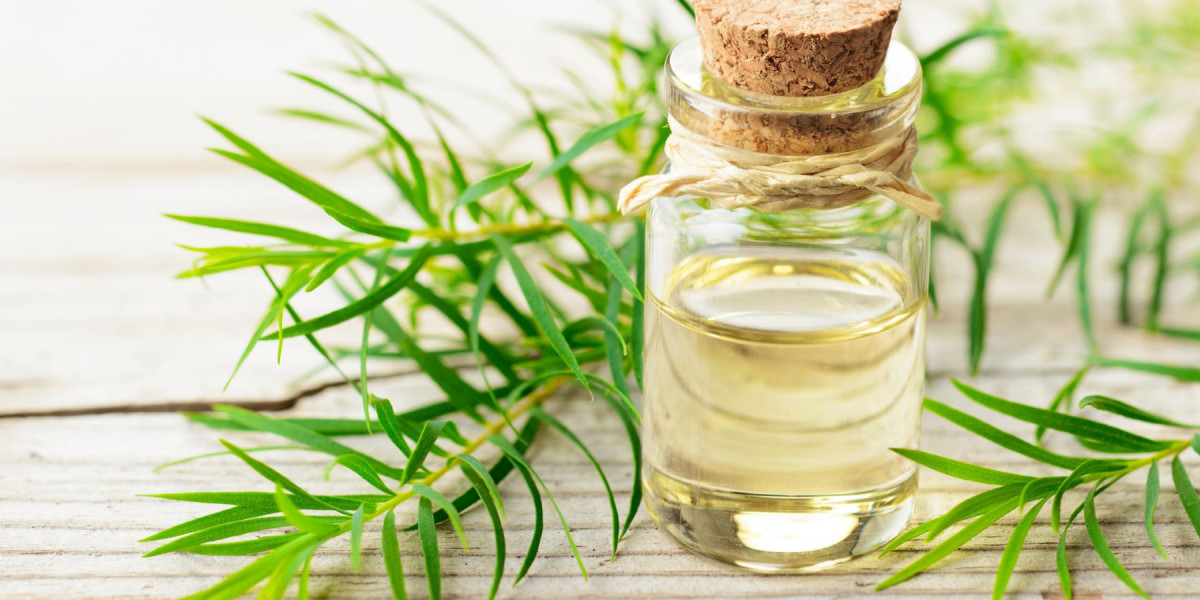

Tea tree oil, extracted from the leaves of the Melaleuca alternifolia plant native to Australia, has been a cornerstone of natural medicine for centuries. Known for its powerful antimicrobial, anti-inflammatory, and antiseptic properties, tea tree oil has found its way into a myriad of personal care, health, and household products. In this blog post, we will explore the numerous tea tree oil uses and benefits, from skincare and hair care to household cleaning and beyond.
What Is Tea Tree Oil?
Tea tree oil is an essential oil that has been praised for its potent antibacterial, antifungal, and antiviral properties. It contains compounds such as terpinen-4-ol, which is believed to be responsible for much of its healing abilities. Native to Australia, it was first used by Indigenous Australians who crushed the leaves of the tea tree plant and inhaled the vapor to treat colds, coughs, and other respiratory issues. The oil became widely recognized in the 20th century and is now used in a wide range of applications due to its versatile properties.
Tea Tree Oil for Skincare
- Acne Treatment
Tea tree oil is one of the most well-known natural remedies for acne. Its antibacterial and anti-inflammatory properties make it effective in treating the bacteria that cause acne while also reducing the redness and inflammation associated with breakouts. When diluted with a carrier oil (like coconut oil) or applied as part of a skincare product, it can be used as a spot treatment or incorporated into your daily skincare routine to prevent future breakouts.
How to Use:
- Apply diluted tea tree oil directly to blemishes with a cotton swab or apply a few drops to your regular moisturizer or cleanser.
- Soothing Skin Irritations
Tea tree oil is highly effective in alleviating various skin conditions, such as eczema, psoriasis, and dermatitis. Its soothing properties help reduce itching and redness. It can also be used to calm other skin irritations, including insect bites, rashes, and minor cuts or burns.
How to Use:
- Mix a few drops of tea tree oil with a carrier oil like almond or jojoba oil and gently massage it onto the affected area for relief.
- Fungal Infections
Fungal infections such as athlete’s foot, ringworm, and toenail fungus can be treated with tea tree oil due to its antifungal properties. It helps kill the fungus and soothe the skin, promoting faster healing.
How to Use:
- Apply diluted tea tree oil directly to the affected area twice a day, ensuring the area is clean and dry.
Tea Tree Oil for Hair Care
- Dandruff Control
Tea tree oil is an excellent remedy for dandruff, a common scalp condition. It has the ability to remove the build-up of dead skin cells and reduce scalp irritation, which are often the root causes of dandruff. By balancing the scalp’s natural oils, tea tree oil can help reduce flakes and itchiness.
How to Use:
- Add a few drops of tea tree oil to your shampoo and massage it into your scalp before rinsing. Alternatively, you can mix it with a carrier oil and apply it directly to your scalp before washing your hair.
- Hair Growth Stimulation
Tea tree oil can also promote hair growth by improving blood circulation to the scalp and unclogging hair follicles. This creates a healthy environment for hair growth and prevents hair loss.
How to Use:
- Massage diluted tea tree oil directly onto the scalp, leave it for 15-20 minutes, and then rinse with lukewarm water. This can be done once a week for optimal results.
- Lice Treatment
Tea tree oil is widely used as a natural treatment for head lice. It has insecticidal properties that help kill lice and nits without the use of harsh chemicals.
How to Use:
- Mix tea tree oil with coconut oil (or another carrier oil) and apply it to the scalp. Leave it on for 30 minutes before combing through the hair with a fine-toothed comb to remove lice and eggs. Repeat this process for several days until all lice are gone.
Tea Tree Oil for Respiratory Health
- Clearing Congestion
Tea tree oil’s antimicrobial properties make it an effective remedy for colds and respiratory infections. When inhaled, it can help clear nasal congestion and soothe a sore throat by killing bacteria and viruses that cause infections.
How to Use:
- Add a few drops of tea tree oil to a bowl of hot water and inhale the steam. Alternatively, you can use a diffuser to fill the air with its soothing aroma and clear your sinuses.
- Cough Relief
Tea tree oil has expectorant properties, which means it can help loosen mucus in the chest and make coughing more productive. This can relieve symptoms associated with colds, bronchitis, and other respiratory illnesses.
How to Use:
- Add a few drops of tea tree oil to a humidifier or diffuser in your bedroom at night to help ease coughing and respiratory distress.
Tea Tree Oil for Household Cleaning
- Natural Disinfectant
Tea tree oil is a fantastic alternative to chemical disinfectants. It can be used to clean surfaces, remove germs, and purify the air. Its antimicrobial properties make it especially useful for cleaning kitchen counters, bathroom sinks, and door handles.
How to Use:
- Add 10-20 drops of tea tree oil to a spray bottle filled with water. Use this solution to disinfect and clean various surfaces around your home.
- Mold and Mildew Removal
Due to its antifungal properties, tea tree oil is effective in preventing and removing mold and mildew from damp areas of your home, such as bathrooms and basements.
How to Use:
- Mix a teaspoon of tea tree oil with a cup of water and spray it on areas affected by mold. Let it sit for a while, then wipe it away with a clean cloth.
- Air Freshener
Tea tree oil can also be used as a natural air freshener to eliminate odors and purify the air. It is an excellent choice for homes with pets or smokers, as it neutralizes unpleasant smells and provides a refreshing aroma.
How to Use:
- Add a few drops of tea tree oil to a diffuser, or mix with water in a spray bottle and mist the air to create a fresh and clean environment.
Tea Tree Oil for Insect Repellent
Tea tree oil acts as a natural insect repellent, protecting you from mosquitoes, flies, and other pesky bugs. Its strong scent acts as a deterrent to insects, making it a great addition to your outdoor activities.
How to Use:
- Dilute tea tree oil with a carrier oil and apply it to exposed skin to ward off insects. You can also add it to your favorite homemade bug spray recipe.
Precautions and Safety
While tea tree oil offers a wide array of benefits, it’s important to use it with care. Essential oils are potent and should always be diluted with a carrier oil before applying to the skin. Never ingest tea tree oil, as it can be toxic if swallowed. If you have sensitive skin, it’s advisable to do a patch test before using tea tree oil topically.
Final Thoughts
Tea tree oil is truly a versatile, natural remedy with a wide range of uses for health, beauty, and household care. Whether you're looking to clear up acne, stimulate hair growth, or clean your home without harsh chemicals, tea tree oil is an excellent option. Its natural antimicrobial and antifungal properties make it a valuable addition to any wellness routine. As with any essential oil, remember to use tea tree oil responsibly and consult a healthcare professional if you have any concerns, especially if you are pregnant, nursing, or have underlying health conditions.
By incorporating tea tree oil into your daily life, you can harness the power of nature to improve your skin, hair, and overall well-being. With its many uses, it’s no wonder that tea tree oil remains one of the most popular and trusted essential oils in the world today.