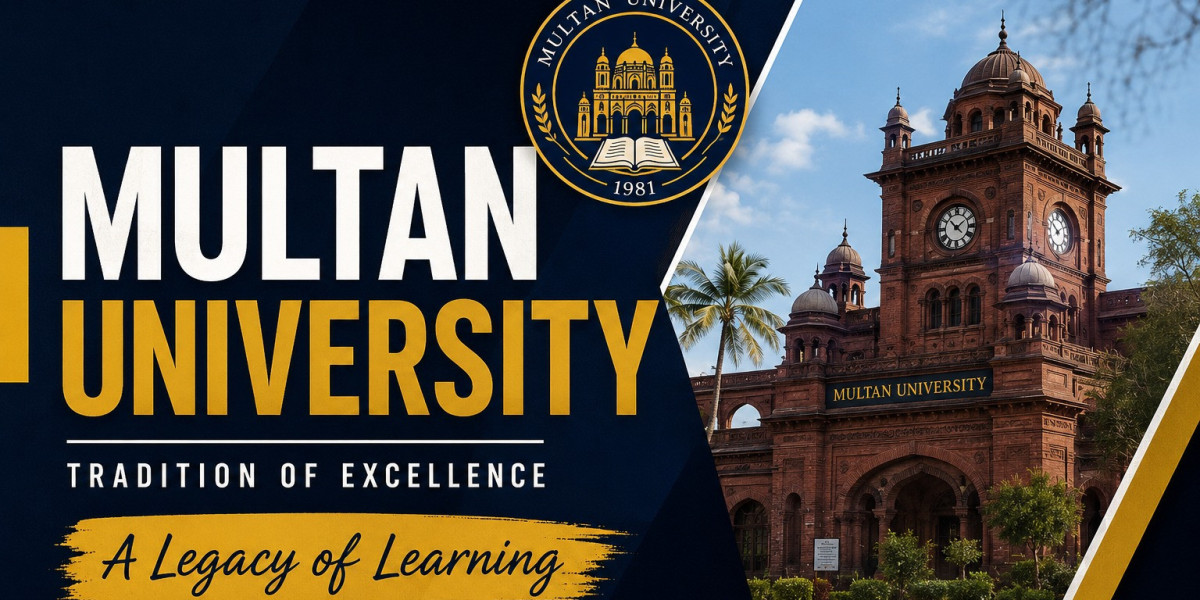

The pharmaceutical industry plays a vital role in modern healthcare by ensuring the safe and effective use of medicines. As healthcare services continue to develop in Pakistan, pharmacy education has become an attractive option for students interested in medicines, patient care, and pharmaceutical research. Doctor of Pharmacy in Multan is an important search topic for students looking to pursue professional pharmacy education in South Punjab.
Multan is a major educational and healthcare center, offering students access to various academic programs and healthcare-related opportunities. Students interested in pharmaceutical sciences can explore pharmacy degree programs, compare universities, and learn about the academic requirements needed to enter this profession.
The Doctor of Pharmacy, commonly known as Pharm-D, provides education in pharmaceutical sciences, pharmacology, clinical pharmacy, drug safety, and patient counseling. With the appropriate qualifications and professional registration, graduates may pursue careers in hospitals, community pharmacies, pharmaceutical companies, research organizations, and other healthcare settings.
What Is Doctor of Pharmacy (Pharm-D)?
Doctor of Pharmacy is a professional degree designed to prepare students for careers in pharmacy and pharmaceutical care. In Pakistan, the Pharm-D program generally takes five years to complete, subject to the applicable curriculum and university requirements.
The degree focuses on understanding medicines, their effects on the human body, their appropriate use, and their potential side effects. Students learn how medicines are developed, manufactured, tested, stored, distributed, and used in different healthcare environments.
Pharmacists are important members of the healthcare team. They help ensure that medicines are used safely, provide information about dosage and possible interactions, and support patients in understanding their prescribed treatments.
Pharm-D combines scientific education with practical training, helping students develop the knowledge and professional skills required for pharmaceutical practice.
Why Choose Doctor of Pharmacy in Multan?
Choosing Doctor of Pharmacy in Multan can be a practical option for students who want to pursue a healthcare career while studying in South Punjab. Studying locally may help students manage accommodation, transportation, and other educational expenses.
Multan's healthcare environment also makes it a relevant location for students interested in pharmaceutical sciences. Hospitals, community pharmacies, medical institutions, and pharmaceutical businesses provide important context for understanding the role of pharmacists.
Students may consider Pharm-D for several reasons:
Professional education: The degree provides structured learning in pharmaceutical and clinical sciences.
Healthcare contribution: Pharmacists support the safe and effective use of medicines.
Career diversity: Graduates may explore opportunities in different pharmaceutical and healthcare settings.
Scientific learning: Students study chemistry, pharmacology, therapeutics, and drug development.
Further education: Graduates may pursue relevant postgraduate qualifications and specialized training.
Local study opportunities: Students can compare available programs in Multan and choose an institution that suits their academic and financial needs.
Before applying, students should verify that their preferred university offers a recognized Pharm-D program and provides appropriate practical training.
Eligibility Criteria for Pharm-D Admission
Admission requirements for Pharm-D vary between universities and may change from one academic session to another. Generally, students need an Intermediate qualification in a relevant science group.
Many institutions require FSc Pre-Medical or an equivalent qualification with Biology, Chemistry, and Physics. Applicants must meet the minimum marks and other conditions specified by the university.
Common admission requirements may include:
Completion of FSc Pre-Medical or an accepted equivalent qualification.
Meeting the university's minimum percentage requirement.
Submission of academic transcripts and certificates.
Providing the required identification documents and photographs.
Passing an entry test or interview, where applicable.
Students should review the latest admission advertisement before applying. They should also confirm the university's merit calculation, application deadline, admission procedure, and any additional eligibility conditions.
Subjects Studied in Doctor of Pharmacy
The Pharm-D curriculum includes several scientific and professional subjects. These courses help students understand medicines from their chemical composition to their clinical use.
1. Pharmaceutical Chemistry
Pharmaceutical chemistry examines the chemical properties, structures, and characteristics of medicinal compounds. Students learn how chemical composition influences the development and performance of medicines.
2. Pharmaceutics
Pharmaceutics focuses on the formulation and preparation of medicines in different dosage forms, including tablets, capsules, creams, and liquid preparations. Students study the principles that influence medicine stability, quality, and delivery.
3. Pharmacology
Pharmacology explores how medicines interact with the human body. Students learn about drug actions, therapeutic effects, adverse reactions, and the factors that influence how medicines work.
4. Pharmacognosy
Pharmacognosy involves the study of medicines and medicinal substances obtained from natural sources, including plants. It introduces students to natural products and their importance in pharmaceutical science.
5. Clinical Pharmacy
Clinical pharmacy focuses on the safe and appropriate use of medicines in patient care. Students learn about medication reviews, drug interactions, patient counseling, and the pharmacist's role in supporting treatment.
6. Pharmaceutical Microbiology
This subject covers microorganisms relevant to medicines, healthcare, and pharmaceutical manufacturing. Students study contamination control, sterilization, and microbiological quality considerations.
7. Hospital and Community Pharmacy
Students learn how pharmacy services operate in hospitals and community settings. Topics may include dispensing practices, medication storage, prescription review, patient communication, and professional responsibilities.
8. Pharmacy Practice and Research
Pharmacy practice introduces students to the professional standards and responsibilities of pharmacists. Research-related courses develop skills in scientific reading, data interpretation, and evidence-based decision-making.
The exact subjects and their sequence depend on the university's approved curriculum.
Skills Developed During Pharm-D
A Doctor of Pharmacy program helps students develop scientific, practical, and communication skills that are essential in professional settings.
Important skills include:
Understanding the uses and effects of medicines.
Identifying potential drug interactions and adverse effects.
Supporting appropriate medication use.
Communicating clearly with patients and healthcare professionals.
Understanding pharmaceutical quality and safety procedures.
Maintaining accurate records and protecting patient confidentiality.
Applying scientific knowledge to practical problems.
Working responsibly within professional and legal requirements.
These skills help graduates prepare for pharmacy practice and related pharmaceutical careers.
Career Opportunities After Doctor of Pharmacy
One of the main reasons students explore Doctor of Pharmacy in Multan is the range of potential career pathways after graduation. Employment opportunities depend on professional registration, relevant experience, specialization, and the requirements of individual employers.
Hospital Pharmacist
Hospital pharmacists support the safe management and use of medicines in healthcare facilities. Their responsibilities may include reviewing medication orders, checking potential interactions, supporting medicine distribution, and advising healthcare teams.
Community Pharmacist
Community pharmacists work in pharmacies that provide medicines and health-related services to the public. They help patients understand medication instructions, identify possible medicine-related problems, and use medicines responsibly.
Pharmaceutical Industry
Pharmaceutical companies employ qualified professionals in areas such as manufacturing, quality assurance, quality control, regulatory affairs, and production support. Additional technical skills or specialized training may be required for certain positions.
Clinical Pharmacy
Clinical pharmacy offers opportunities to focus on medication management and patient-centered pharmaceutical care. Depending on the workplace and applicable requirements, pharmacists may collaborate with doctors and other healthcare professionals to improve medication safety.
Research and Development
Graduates interested in scientific research may explore roles involving drug formulation, pharmaceutical testing, research assistance, and product development. Advanced education may be beneficial for research-intensive positions.
Regulatory Affairs
Regulatory affairs professionals help pharmaceutical organizations comply with applicable rules governing medicine registration, documentation, quality, and product information.
Teaching and Academia
Graduates who meet the relevant academic criteria may pursue teaching or research careers in pharmacy institutions. Advanced qualifications are often required for university-level academic positions.
Importance of Practical Training
Practical and clinical training is an essential component of pharmacy education. It allows students to apply theoretical knowledge in supervised professional environments.
Laboratory sessions help students understand pharmaceutical formulation, chemical analysis, and medicine quality. Hospital and community pharmacy placements can introduce students to dispensing procedures, medication counseling, inventory management, and patient safety.
Before selecting a university, applicants should ask about laboratory facilities, teaching staff, hospital affiliations, clinical rotations, internship arrangements, and opportunities for supervised practical experience.
A well-organized training program helps students develop professional confidence and understand the responsibilities associated with pharmacy practice.
Fee Structure and Financial Planning
The cost of Doctor of Pharmacy education varies by institution. Public and private universities may have different tuition fees, admission charges, laboratory expenses, and other academic costs.
Students should request a complete fee schedule before accepting an admission offer. They should consider tuition, examination charges, laboratory fees, books, transport, accommodation, and other possible expenses.
Some institutions may offer merit-based scholarships, need-based financial assistance, or installment arrangements. Students should contact the admissions or financial aid office to learn about available options and eligibility conditions.
Since fees can change between academic sessions, applicants should rely on current official information rather than outdated estimates.
How to Choose the Right Pharmacy University in Multan
Selecting a suitable institution is an important step toward a successful pharmacy career. Students should compare universities carefully instead of making a decision based only on location or tuition fees.
Consider the following factors:
Recognition: Verify the institution and Pharm-D program's current recognition and approval status with the relevant authorities, including the Pharmacy Council of Pakistan where applicable.
Qualified faculty: Review the qualifications and professional experience of teaching staff.
Laboratory facilities: Check whether students have access to appropriate pharmaceutical and scientific laboratories.
Clinical training: Ask about hospital placements, community pharmacy experience, and supervised practical learning.
Fee transparency: Review the complete cost of the degree and available financial support.
Academic support: Consider student advising, library resources, research opportunities, and career guidance.
Professional preparation: Ask how the program prepares students for pharmacy practice and applicable registration requirements.
Students interested in Multan University of Science and Technology (MUST) should contact the university directly to confirm whether Pharm-D is currently offered, along with its admission requirements, fee structure, program recognition, and practical training arrangements. Applicants should verify these details through official sources before making a final decision.
Future Scope of Doctor of Pharmacy in Pakistan
The future of pharmacy is closely connected to the healthcare system, medicine safety, pharmaceutical manufacturing, and the responsible use of medications. Pharmacists contribute to patient care by helping people understand treatments and supporting healthcare professionals in medication-related decisions.
Pakistan's pharmaceutical sector includes manufacturing, distribution, retail pharmacy, hospital services, and regulatory activities. These areas may offer career opportunities for qualified candidates, although the availability of jobs and salary levels varies by employer, location, experience, and specialization.
Students can improve their professional prospects by developing practical skills, gaining relevant experience, following ethical standards, and keeping up with developments in pharmaceutical science.
Professional registration and compliance with applicable regulations are important considerations for graduates who want to practice as pharmacists.
Conclusion
Doctor of Pharmacy in Multan is a valuable educational option for students interested in medicines, healthcare, and pharmaceutical sciences. The five-year Pharm-D program generally combines scientific subjects, laboratory work, pharmacy practice, and clinical learning to prepare students for a variety of professional pathways.
Before choosing a university, students should carefully review admission criteria, tuition fees, program recognition, laboratory facilities, and practical training opportunities. With the right education, professional development, and commitment to patient safety, Pharm-D graduates can work toward meaningful careers in pharmacy and the wider healthcare sector.